

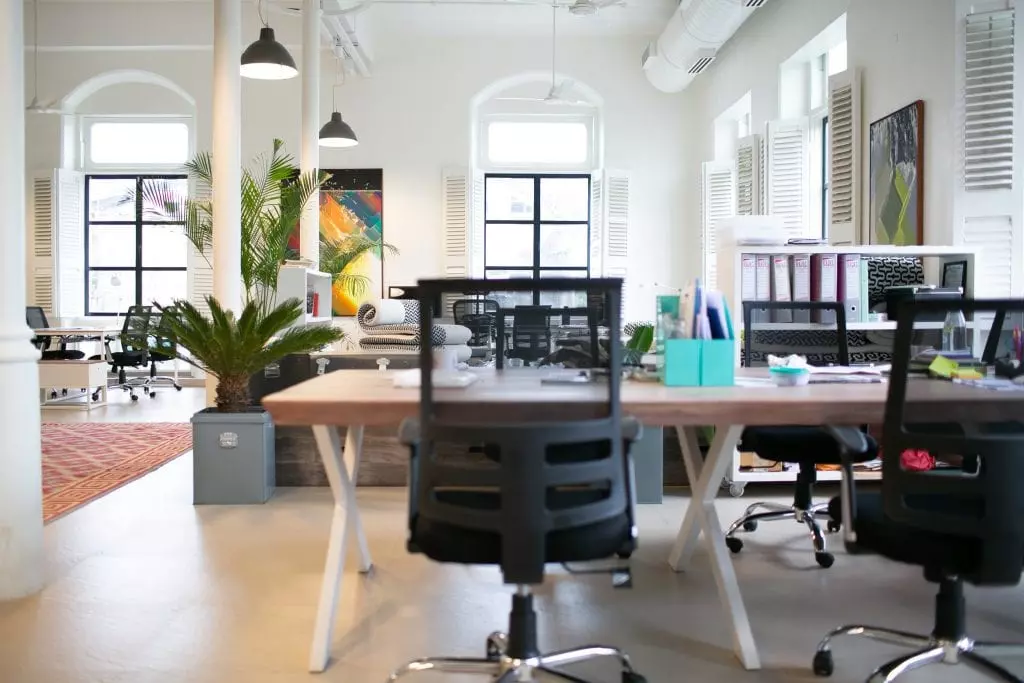
Welcome to the dynamic field of office design, where every choice holds the potential to shape productivity and success. From the layout of desks to the placement of plants, every detail influences the way people work. This article will take you on a journey to explore the psychology of interior design and uncover the powerful impact it has on employee productivity. Along the way, it will also delve into the ancient art of feng shui and how you can benefit from using feng shui to boost your business.
Shaping the Workplace Experience
Step into any modern office, and you’ll likely encounter a variety of layouts. Each design choice influences how employees interact, focus, and work, from sprawling open spaces to more traditional cubicle arrangements. Here is a look into the psychology behind these designs and how they shape productivity.
Open vs. Closed Floor Plans
Picture a bustling open-plan office: employees chat freely, collaboration flows effortlessly, and ideas seem to bounce off the walls. While this layout promotes communication and teamwork, it can also pose challenges. Distractions abound, concentration wanes, and privacy becomes a luxury.
On the flip side, closed floor plans offer seclusion and focus. Each employee has their own space, free from the noise and interruptions of an open layout. However, this setup may stifle collaboration and hinder the exchange of ideas.
Striking a Harmony
What you need to achieve is a balance between openness and privacy. Flexible workspaces that incorporate open collaboration areas and secluded nooks for focused work provide the best of both worlds. Companies can optimise productivity and foster creativity by offering employees the freedom to choose their environment based on the task at hand.
Harnessing Nature’s Influence
In the quest for productivity, businesses are turning to biophilic design—the integration of natural elements into the built environment. Research shows that exposure to nature, even in indoor settings, has a host of benefits, including reduced stress levels and enhanced cognitive function.
Blending in elements such as natural light, greenery, and wood accents not only beautifies the workspace but also boosts employee well-being and productivity. After all, who wouldn’t feel inspired by a lush indoor garden or a sunlit workspace overlooking a skyline?
The Role of Feng Shui
For centuries, the ancient practice of feng shui has offered guidance on creating harmonious environments that promote health, wealth, and success. While some may view it as mere superstition, many modern businesses swear by its principles to optimise their office layout.
According to feng shui principles, the strategic arrangement of furniture, colours, and decor can influence the flow of energy, or qi, within a space. By aligning the office layout with these principles, businesses can create a space that fosters positivity, creativity, and prosperity.
Happy employees are productive, and using feng shui to boost your business enhances workplace satisfaction. By creating a space that feels welcoming, balanced, and energising, employees are more likely to feel motivated and engaged in their work.
Imagine walking into an office where every corner exudes a sense of calm and positivity. From the furniture arrangement to the choice of colours and decor, every aspect of the workspace is carefully curated to promote harmony and well-being. Employees feel valued and supported in such an environment, leading to higher morale and lower turnover rates.
In the competitive arena of business, every advantage counts. By understanding the psychology behind office layout and design, companies can unlock the full potential of their workforce. After all, a well-designed workspace isn’t just a place to work—it’s a catalyst for productivity, creativity, and success.
