

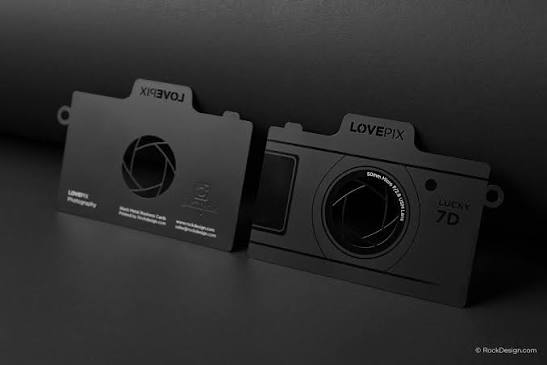
A photographer’s business card design that actually gets remembered needs to show real work, not just a name and a camera icon, since photography is one of the few professions where the product itself is entirely visual. Freelance photographers compete in a crowded market, and a card that looks like every other generic template does nothing to help a potential client remember who to hire six months later.
Most photography clients do not book on the spot. A person meets a photographer at a wedding, an event, or through a referral, takes a card, and books weeks or even months later when the actual need arises. This delay means the card has to do more than provide a phone number, it has to carry enough of an impression that the photographer’s name and style stick in the client’s memory long after the initial meeting.
Visual Portfolio Linking Solves the Biggest Limitation of Paper
Visual portfolio linking is the single biggest advantage a digital card has over a printed one for photographers. A paper card can show at most one small printed photo, while a photography business card ideas approach built around a digital profile can link directly to a full gallery of recent work, organized by category such as weddings, portraits, or commercial shoots. This means a potential client browsing the card sees the photographer’s actual range and quality immediately, rather than a single sample image that may not represent their style well.
Personal Brand Identity Matters More Than Equipment Lists
Personal brand identity, not a list of camera gear or technical specs, is what clients actually respond to. A freelance photographer branding approach that leans on a consistent visual style across the card, website, and social media, paired with a short line describing the photographer’s specialty or approach, helps a client remember what makes this particular photographer different from the dozens of others they might also be considering.
Photographers building this kind of card can look at https://www.shareecard.com/gallery for creative business card template examples designed around visual portfolios.
Client Referral Tools Extend a Card’s Value Past the First Meeting
Client referral tools built into a digital business card let a satisfied client easily pass the photographer’s card along to a friend or colleague who is also looking for a photographer. A creative business card template with a simple share button removes the friction of a referral, since the receiving contact gets the full profile, portfolio, and booking link instantly rather than a secondhand phone number scribbled on a napkin.
Creative Industry Networking Rewards a Card That Stands Out
Creative industry networking, whether at gallery openings, industry meetups, or collaborative shoots with other creatives, tends to reward photographers whose cards reflect their actual visual style. A portfolio business card that uses strong typography, a clean layout, and a signature color palette signals professionalism in a way that a generic template cannot. Other photographers, planners, and venues remember and refer photographers whose branding feels intentional and distinct.
What a Photographer’s Card Should Actually Include
A well-designed card should lead with a small selection of the photographer’s strongest work, a direct link to the full portfolio, a booking link or contact method, and a short specialty line such as wedding, portrait, or product photography. Pricing details generally belong on the full website rather than the card itself, since pricing conversations work better after a client has seen enough work to understand the value being offered.
Updating a Portfolio Card Without Starting Over
One advantage of a digital portfolio business card is that it never becomes outdated the way a printed card does. As a photographer’s best work changes over time, the linked gallery can be updated instantly, meaning a card handed out two years ago still shows current, relevant work rather than samples that no longer represent the photographer’s skill level.
FAQs
How many portfolio photos should a photographer include on their business card link? Most photographers keep the linked gallery focused on ten to fifteen of their strongest, most recent images, since a shorter, curated selection tends to hold a viewer’s attention better than an overwhelming full archive.
Does a digital business card work well for photographers who shoot multiple specialties? Yes. A digital card can organize a portfolio into separate categories, such as weddings and events, so a client only sees the type of work relevant to what they are hiring for.
Can a photographer’s card include client testimonials? Yes, and many do, since a short testimonial alongside strong portfolio images adds a layer of trust that a card with images alone does not provide.
A photographer business card design built around real portfolio work, not generic templates, gives a freelance photographer the best chance of being the name a client actually remembers when they are finally ready to book.
