

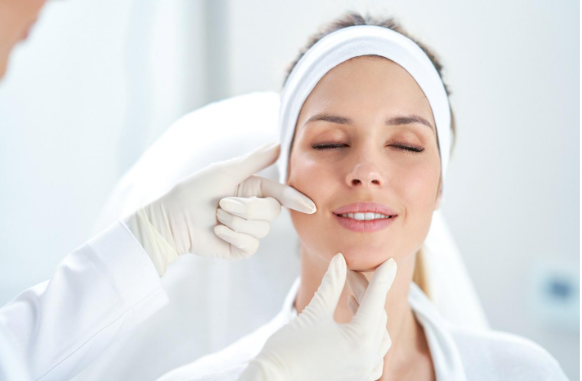
Navigating the world of medical dermatology can feel overwhelming, especially when you’re dealing with a skin concern. Acne, eczema, psoriasis, and skin cancer are all examples of skin conditions that can affect your health. In addition to diagnosing, treating, and preventing skin disorders, dermatologists also specialize in the treatment of hair and nail conditions. This article discusses medical dermatology and what to look for in a dermatologist for your skin care needs.
We recommend that you begin your search for a medical dermatologist by compiling a list of potential candidates. You can do this by consulting friends, perusing medical directories, searching on social media platforms, or performing online investigations to identify dermatologists within your local vicinity.
Explore the Doctor’s Area of Expertise
Dermatologists possess distinct areas of expertise and are frequently recognized for their contributions, achievements, and practical knowledge rather than their expertise in particular treatment domains. While some may specialize in surgical procedures, others may be knowledgeable about skin conditions such as acne, dermatitis, psoriasis, or skin cancer. Other physicians may choose to practice and achieve success with a particular amalgamation of these. Start by researching websites, perusing reviews, and consulting with the physicians themselves. You can begin to narrow down treatment options for a specific skin condition by concentrating on those that treat and specialize in that area of concern.
Patient Reviews Give Insight
Various outlets exist online for you to research and find reviews from real people about their dermatologist experiences. This is an important part of finding out who these particular doctors are. A few things to look out for that can help you assess whether this particular doctor raises any red flags or not include:
- The number of reviews: The larger the sample, the more representative it will be of people’s experience.
- Fake reviews: You can tell a fake review from the level of detail; very generic and happy reviews are sometimes, although not always, fake.
- Consistency: Pay attention to recurring themes, both positive and negative, as they help outline a bigger picture of what you might experience with this doctor.
- Relevancy: How relevant are the reviews to what you are seeking in a doctor?
- Doctor’s responses: Does the Doctor or clinic take the time to respond to and resolve customer complaints?
- Experience: Pay attention to specific things like follow-up care, treatment effectiveness, and the dermatologist’s personality.
- Reputable websites: Make sure the websites you are finding your reviews on are vetted; such reliable places for reviews include social media pages, Yelp, Google Reviews, and Zocdoc, amongst others.
Be sure to keep in mind that reviews are super helpful and give insight, but should always be taken with a grain of salt.
Consultation & Communication
The best dermatologist for you will have various qualities beyond just their area of expertise, credentials, and experience. Like any good MD, they will have humane traits that will be obvious through doing an initial consultation directly with them. These qualities include:
- Empathy
- Clear communication
- Listening skills
- Patience
- Respect for privacy
- Welcoming demeanor
- Professionalism
- Awareness of cultural nuances
- Flexibility and adaptability
- Continuing education
A skilled dermatologist should be able to interact with you in addition to having strong clinical abilities. Examine the dermatologist’s ability to listen to your worries, properly answer your questions, and put you at ease during your initial session. Patient satisfaction and a successful course of therapy depend on effective communication.
Picking the Right Dermatologist
After doing your due diligence in terms of research, you should now be at a point when you are ready to make a decision. Keep in mind that the best doctor for you isn’t an easy formula. It will be some mix of the right expertise, customer experiences, and the way your personality interacts with that of the doctor. Whatever decision you make, it is entirely yours to make. At the end of the day, a good dermatologist is not just a doctor but a partner in the health of a vital organ of your body, your skin.
