

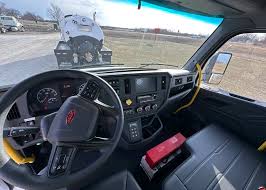
Armored trucks are significant in delivering precious commodities as well as offering security to drivers, crew and cargo. These special vehicles are created to work under harsh conditions and necessitate frequent maintenance in order to be reliable. Although exterior protection, engine performance and mechanical components are usually given priority, the interior should also be properly maintained. Fleet operators who deal with Armored Trucks ought to focus on cleanliness, seating, electronic equipment, ventilation, and storage orderlies in order to create convenient and comfortable interiors in the vehicle.
Maintaining Interior Cleanliness
Armored trucks can take many hours to get to locations and interior cleanliness is a significant issue to maintain. It could also have dust, dirt, food debris and debris on the seats and floor mats, dash boards, and in the storage compartments.
Considerable cleaning will ensure a friendly working environment and that inner materials are not contaminated by dirt. Cleaning schedules should be introduced by the fleet operators to not only vacuum floors and wiping of suitable surfaces, cleaning up of rubbish, and cleaning commonly visited areas.
Products used in cleaning out the vehicle need to be chosen based on its interior contents. Protective surfaces, high sensitivity electronic controls, and upholstery might need certain cleaning procedures as they can be easily damaged accidentally.
Checking Seats and Interior Furnishings
Drivers and crew people end up spending large amounts of time in armored cars. Seats in good condition can help one to be comfortable when spending long hours at work.
Seat upholstery, adjustment mechanisms, seat belts, headrests and mounting points should be regularly checked by the fleet managers. Stained cloths, loose fittings and broken adjustment controls must be repaired accordingly.
Door handles, inside panels, armrests, and inside the storage compartments should be also checked. Regular checks are good at detecting wear before future small issues escalate into costly maintenance issues.
Verifying Electronic and Communication Equipment
New armored trucks might be fitted with a communication system, navigation equipment and monitoring, as well as other electronic parts that aid in day-to-day functioning.
Such systems should receive proper inspections and servicing as per the manufacturer specifications by the fleet operators. Professional evaluation of damaged cables, loose connections, faulty controls, and strange behaviour of equipment should be reported.
The need to clean around electronic parts is also a matter of concern. Sensitive equipment might be damaged by excessive humidity or by using inappropriate cleaning agents. When dealing with these systems, maintenance people are required to adhere to recommended practices.
Assessment of Climate Control and Ventilation
Ventilation and climatic control make it part of an appropriate cabin atmosphere, especially when part of vehicles on long routes or in the case of altering weather patterns.
The air conditioning, heating systems, ventilation outlets and cabin filters ought to be checked on a regular basis. Clogged vents and substandard filters may result in decreased air flow and lead to unpleasant conditions of the cabin.
Fleet managers are recommended to adhere to the recommended servicing schedules and deal with any anomalous sounds, poor airflow or inappropriate control of temperature.
Arranging Interior storage areas
Armored trucks usually have special compartments to carry approved equipment, documents, and operational supplies. Crew members may find it hard to perform their daily activities due to poorly organised storage.
There should be clean storage spaces that are both accessible and in place as per company procedures. Goods must be firmly tied to the vehicle in order to avoid any unnecessary movement when it is on the move.
Frequent inspections will also be beneficial in destroying damaged compartments, loose fittings, or storage mechanisms that need to be addressed.
Setting up Periodic Checks
Controlled maintenance schedule assists fleet operators with keeping up to interior conditions. Checks can be made on day-to-day basis; in and out checking of cleanliness, visible damage, seat belts, and simple equipment functionality.
Subsidiary checks can be done in the upholstery, ventilation, electrical and interior fittings. Maintaining records of the maintenance will enable the managers to monitor the recurrent issues and to arrange repairs.
Conclusion
To keep the interiors of armored trucks clean, it is necessary to take care of a number of aspects other than simple cleaning. Seats, electronics, ventilation, storage spaces and interiors are all aspects that enhance the usability of vehicles and comfort to the crews. Fleet operators can have their vehicles well-organised and ensure stable vehicle performance by setting routines of regular inspections and adhering to the recommendations of the vehicle manufacturers. A frequent interior care is a significant aspect of long-term Armored Trucks management.
