

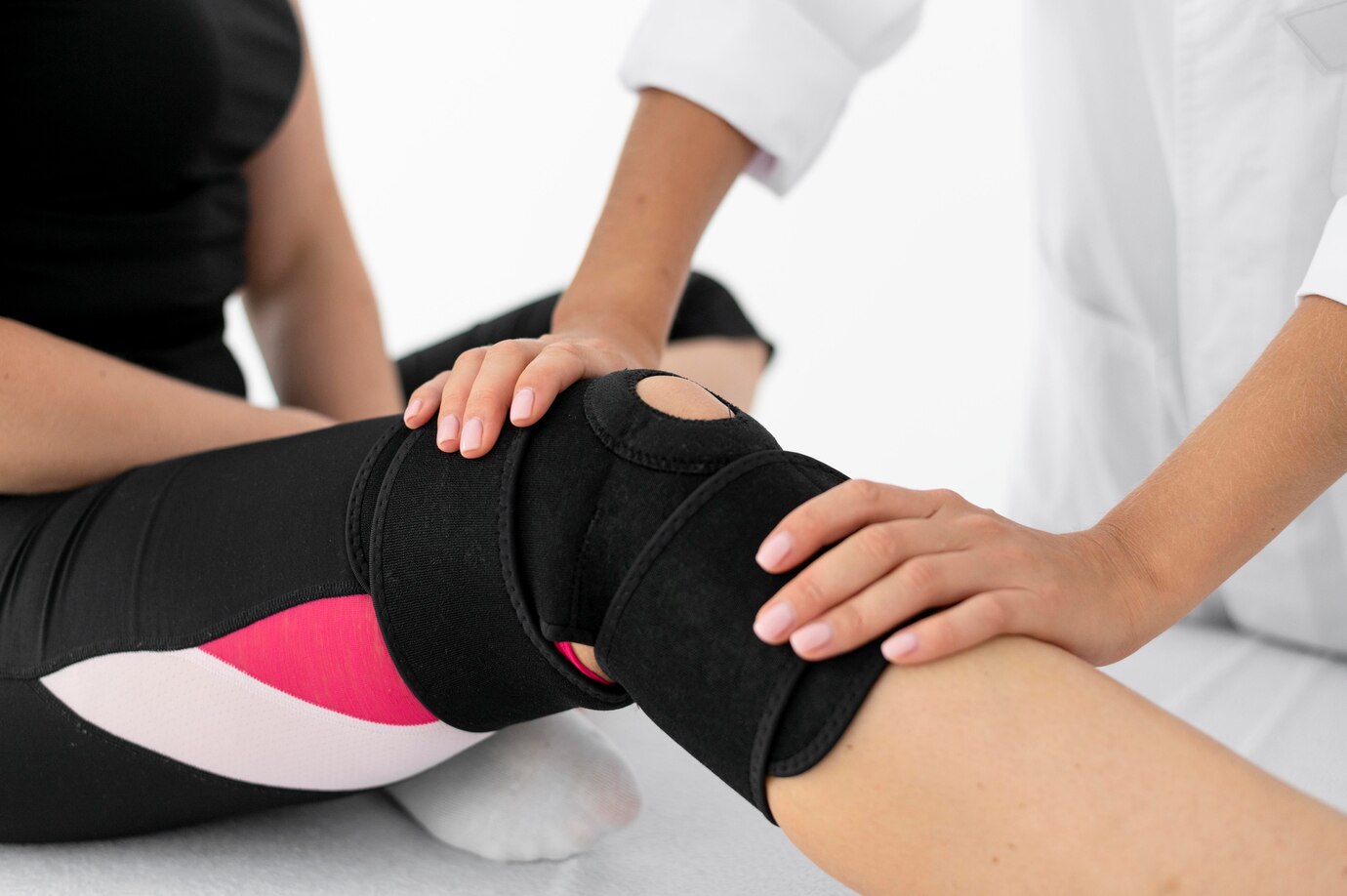
Knee replacement surgery is the final option for people with severe knee arthritis – either osteoarthritis or rheumatoid arthritis. Patients who undergo the procedure will notice a marked improvement in mobility and reduced pain and discomfort.
While the recovery period can last several months, patients will be able to return to everyday life, resuming hobbies and interests and becoming more independent. However, even the latest knee replacement will wear out over time.
In this guide:
- Knee Replacement Surgery Recovery
- How Long Does a Knee Replacement Last
- Factors Affecting Replacement Longevity
- Reasons for Further Knee Surgery
- Knee Replacement Surgery at Kardiolita Hospital
Knee Replacement Surgery Recovery
Immediately following knee replacement surgery, you should notice some pain and discomfort from the operation. Modern, non-invasive techniques minimise the swelling and inflammation. However, some pain medication is necessary for around 7 to 10 days.
Your physical therapist will try to mobilise you as soon as possible. The evidence indicates that early mobilisation leads to better long-term outcomes. You’ll perform a series of exercises designed to build strength and facilitate recovery. It will also reduce the swelling and relieve some of your pain.
After 3 to 5 days, you should be well enough to return home. The primary risks to the replacement during this period are joint infection, dislocation, and fractures. These complications are extremely rare but would necessitate further surgery.
How Long Does a Knee Replacement Last
According to a 2019 study in The Lancet, 82% of total knee replacements (TKR) lasted 25 years, and 70% of partial knee replacements lasted 25 years. It’s, therefore, reasonable to expect that the knee implant will last over 20 years.
It should be noted that materials have improved significantly in the past 25 years. While there’s no data to confirm this, we should expect modern replacements to last even longer and to carry a lower risk of interim damage.
A 2001 report noted that only around 2% of knee replacement surgeries require a second surgery within five years of the initial operation. However, more recent analyses indicate a 10-year revision rate of 6.2% for TKR and 15.5% for PKR.
This suggests that although there’s a higher revision rate for partial knee replacements, both types of surgery have shown a significant success rate over a decade. Advancements in surgical techniques and postoperative care, along with better materials, will likely contribute to these improved outcomes.
Factors Affecting Replacement Longevity
All knee replacements will inevitably fail. However, the rate of wear-and-tear can impact the implant’s longevity. If exposed to less stress and damage, the replacement can survive for decades without any problem.
There are currently hundreds of types of knee replacements involving different materials and shapes. While we can average the longevity, it’s hard to see how long a particular prosthetic will last. Several factors influence the replacement’s longevity:
Age of the Patient
Younger individuals undergoing knee replacement often need their implants to last longer due to their increased life expectancy. Additionally, younger patients are generally more active, which can accelerate wear and tear on the implant. As a result, those who undergo knee replacement in their 50s or earlier might anticipate needing a revision at some point in their lives.
Patient Activities
High-impact activities can increase the wear and tear of the replacement. Gentle walks are unlikely to cause any major damage. However, playing basketball could cause significant impacts on knee replacement, hastening the degradation. Even if these activities aren’t painful or challenging, some degradation is expected.
Patient Weight
Your knee replacement will support the majority of your weight. The greater your weight, the more stress on the joint, potentially reducing its lifespan. Patients must maintain a healthy weight to extend the lifespan of their knee replacement. Moreover, it will also help reduce any complications from any future surgeries.
Material Type
The durability of a knee replacement is primarily determined by the materials used. Common materials include metal alloys, ceramic, and plastic components.
- Metal alloys, usually composed of titanium and cobalt-chromium, are renowned for their strength and durability. They’re often chosen for their long-term viability.
- Ceramic components are extremely hard. They have a high wear resistance but carry some risk of shattering if the force exerted upon them is too great.
- Plastic components, often made from ultra-high-molecular-weight polyethylene, are used primarily on the bearing surface. Although they might not damage easily, small pieces of plastic are known to break off.
Avoid Complications
Patients undergoing invasive procedures, including dental work, might need antibiotics to prevent infections that could compromise the joint implant. Additionally, patients with osteoporosis should manage their condition effectively to prevent fractures near the implant, which could impair its function.
Reasons for Further Knee Surgery
Despite the long-term success of knee replacements, some patients may require further surgery down the line. Usually, this is limited to a second surgery. Undergoing a third knee replacement surgery is extremely rare.
One common reason is the natural wear and tear of the implant materials, which can degrade over time, especially under high stress or due to excessive weight bearing. Another reason is mechanical failure, such as the loosening of the implant components, which can result from the implant not integrating well with the existing bone structure. Infections, although rare, can necessitate urgent revision surgery to remove or replace the implant to prevent further complications.
Furthermore, accidents or falls can damage the implant or surrounding bone, leading to the need for surgical correction or replacement.
Knee Replacement Surgery Abroad at Kardiolita Hospital
Kardiolita Hospital is the gold standard for knee replacement surgery abroad. Situated in Lithuania, it’s a leading knee replacement centre with an experienced team of surgeons, nurses, physiotherapists, and more.
Receive the highest standards of surgical care at a fraction of the average knee surgery price in Ireland. Book your appointment with Kardiolita Hospital today and receive a 4th generation implant.
