

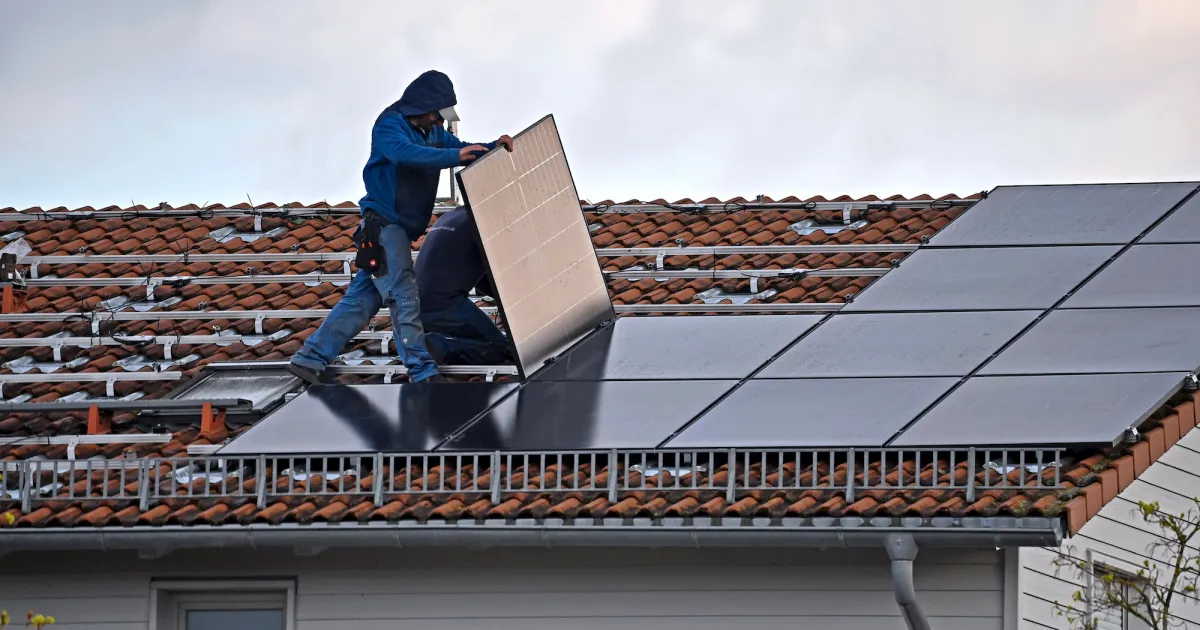
Solar panels have been around for decades, providing clean energy to homes and businesses. In their early days, solar panels were expensive enough that few people could afford them. Now, improvements in manufacturing have led to improved affordability, while also adding new features and increasing efficiency and productivity of the panels themselves. How, exactly, have solar panels improved in recent years? Keep reading to find out.
Higher Efficiency Rates
One of the most important improvements in solar panel technology has been the steady increase in their efficiency. In the past, solar panels used to operate at about 15% to 18% efficiency. Now, with improvements and innovations in the solar industry, modern solar panels can perform at over 22% efficiency.
Many different innovations have contributed to this improvement in solar productivity. The highest-efficiency models often use technology like monocrystalline silicon and passivated emitter and rear contact (or PERC) technology. This type of tech allows you to get more power from the same surface area on a panel, making solar power a more viable option for residential rooftops and smaller properties.
Bifacial Panels
Bifacial panels are another type of technology that improves efficiency of the solar panels, but they’re a far more recent innovation, so not many users have this type of panel yet. Bifacial panels can capture sunlight on both the front and back sides of the panel, increasing the amount of light they absorb and, therefore, the amount of energy they produce. By taking advantage of reflected light on surrounding surfaces as well, your panels increase their total energy generation. This type of technology is especially useful in open environments with many reflective surfaces, like commercial rooftops and solar farms.
Better Performance in Low Light
Modern solar panels now perform more efficiently in partially shady conditions, cloudy weather, and even early morning and late afternoon hours. This improvement has been brought about by things like multi-busbar designs, half-cut cells, and advanced anti-reflective coatings, helping the panels maintain better output under less-than-ideal conditions. This increases the total daily and annual energy harvest for all your panels.
Compatibility with Smart Home Systems
As smart home technology has become more common, solar panels have become more compatible with these kinds of systems and energy storage technology. Modern inverters and optimizers are able to monitor panels on an individual basis for more detailed monitoring, better shade management, and more seamless pairing with batteries. This improves the overall return on your investment and energy independence for homeowners and businesses.
These kinds of improvements make Mission Solar panels a smart and efficient investment for homeowners and businesses alike, giving more power at a lower cost than in decades past.
