

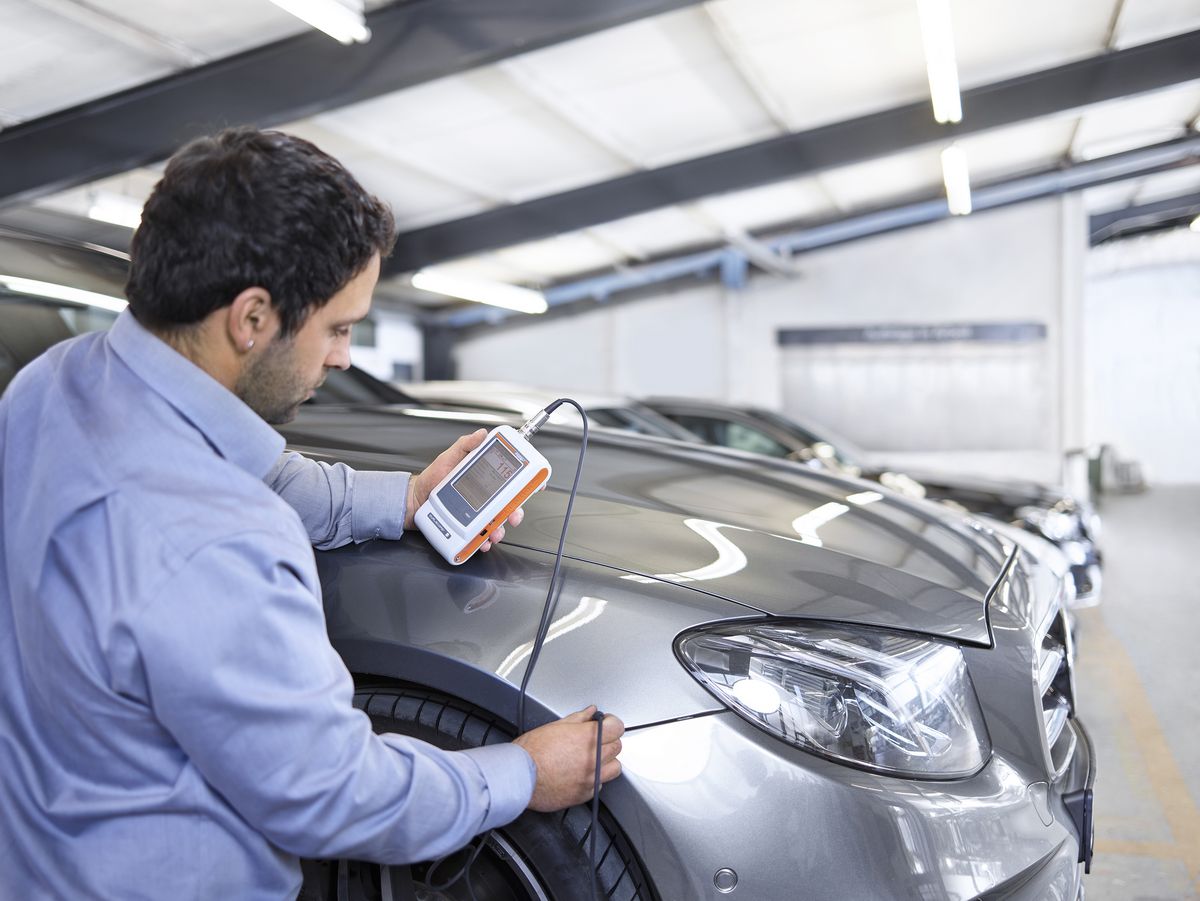
In case you didn’t notice, a car’s paint job primarily determines not only the beauty but also how much protection there is on the metal surfaces of a car from rust and corrosion. The well-executed paint job restores the appearance of a car, preserves its worth, and will allow it to develop important protection against environmental factors.
Usually, when a car paint job has been carried out, it is due to the vehicle being in an accident. Before inspecting the vehicle, you can run a car check to reveal its history. This will show the accident details, damaged areas, and date, making it easier to identify the repainted sections.
The Benefits of a Good Paint Job
A good paint job embellishes a car with the new look and appeal. But beyond this appearance, it protects one from the rusting process, corrosion, dirt, grease, and other debris. The paint layer serves to elongate the life-span of vehicle bodywork while reducing the amount of damage.
In addition, the paint job helps in the sale of the car. Cars that have a paint job done professionally are more eye-catching to any buyer, which means they attract higher prices on the used car market. Thirdly, excellent paint can ensure better visibility when driving at night by making the car’s surface more reflective and thus safer for the road.
Key Things to Check
A car’s paint job requires special attention. Surface damage includes looking for scratches, dents, or chips and any slight cracks that could degrade the general aspect of the car and make rust penetrate into its metal part from underneath.
Investigate not just the visible part but also check door edges and under the bonnet, alongside the boot door to make an all-rounded survey.
Ensure the same paint on all the panels. Deviations in tone, saturation, or finish could be a sign of bad workmanship, for example, in the mixing of paint or different application techniques.
Discrepancies usually happen when different paint batches are used or if repairs were done without matching the original colour exactly.
Rust spots should be sought, especially where moisture may accumulate. Rust may spread under the paint if it is not properly treated before repainting.
The sooner rust problems are addressed, the better. Rust can severely compromise the structural integrity of the car and can be expensive to repair.
How to Inspect a Car’s Paint Job
To really look at a car’s paint job:
- Perform a Visual Check
Examine the car in natural daylight to identify inconsistencies in colour and surface texture.
- Feel for Imperfections
Run your hand over the surface to detect rough spots, bubbles, or uneven areas that might not be visible.
- Inspect Under Different Angles
Look at the car from various angles to spot differences in gloss or shading.
- Check Hidden Areas
Open doors, the trunk, and the hood to ensure that paint coverage is complete and even.
Quick Checklist
- Check the car for scratches, dents, or chips.
- Check that the colour is consistent on all panels.
- Look for signs of rust or corrosion.
- Ensure that the work looks professional with even application and smooth finishes.
Conclusion
A good paint job is just not cosmetic in nature but, rather, an important part that protects your car and keeps the value. Be sure to examine for surface damages, check consistency of colour and rusting and ensure that paint work is met with professional standard. With scheduled inspections and the right maintenance will keep your vehicle looking good, protected for quite a long period.
