

Introduction
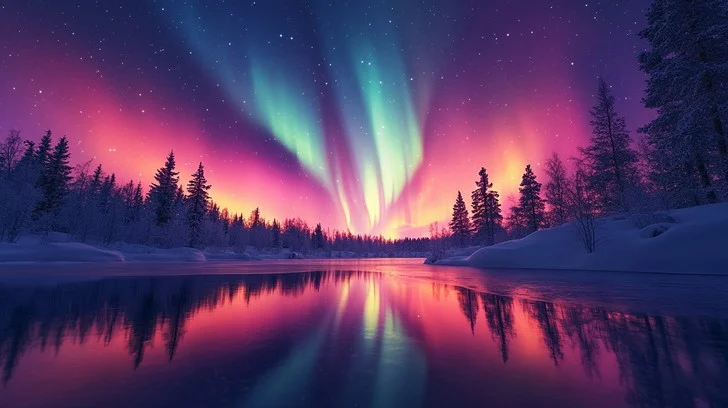
The Northern Lights, or Aurora Borealis, are one of nature’s most breathtaking light shows, casting dynamic hues across northern night skies. Each year, these captivating spectacles draw adventurers and dreamers keen on experiencing such mesmerizing sights firsthand. Those embarking on this quest should plan carefully, especially considering the best time to see the northern lights in Iceland—a destination renowned for its auroral displays. Witnessing this phenomenon is more than just a visual feast; it is an opportunity to connect with the ancient stories of the sky and the ongoing dance between Earth and the cosmos.
Beyond their hypnotic beauty, the Northern Lights offer a wealth of knowledge about our planet and its atmosphere. Their dances are storied in myth and legend, and the science behind them reveals insights into solar activity and atmospheric behavior. This exploration of the Northern Lights aims to uncover the myriad layers of meaning and understanding behind their brilliance while offering practical advice for those hoping to experience them in person.
Understanding the Northern Lights
The Northern Lights have fascinated humans for millennia. These beautiful displays have inspired stories and legends across multiple cultures, often seen as divine messages or the dance of the spirits. Scientifically, they occur when electrically charged particles from the sun collide with gases like oxygen and nitrogen in Earth’s atmosphere. Historically, they were misunderstood, with speculations ranging from forerunners of war to signs from the divine. Their discovery helped bridge gaps in our comprehension of the cosmos and Earth’s relationship with solar phenomena. Still today, they remain a powerful reminder of the beauty and unpredictability of our natural world.
The Science Behind the Spectacle
The Northern Lights are not simply random lights flickering across the sky; they result from a fascinating chain of cosmic events. It all begins with the sun, which emits a solar wind filled with charged particles. When these particles reach Earth, they are drawn towards the poles by the planet’s magnetic field. As they enter the atmosphere, they collide with gases like oxygen and nitrogen, creating the vibrant colors of the auroras. Greens and reds are typically produced by oxygen, while nitrogen emits blues and purples. Understanding the science behind the Northern Lights offers us a glimpse into the dynamic interactions between solar activity and Earth’s atmospheric composition.
Best Places to Witness the Aurora Borealis
For those eager to see the Aurora Borealis, location is key. While the lights can theoretically be seen from any high-latitude region, some spots are particularly famed for frequent and clear sightings. Norway offers dramatic landscapes that frame the lights beautifully, with places like Tromsø and the Lofoten Islands being popular choices. Finland’s Lapland is another excellent location, renowned for clear skies and the opportunity to combine aurora spotting with cultural experiences. In Canada, the vast wilderness of the Yukon and the Northwest Territories offers another chance to witness the spectacle, often accompanied by the serene silence of northern winter nights. Each destination provides a unique backdrop that enhances the magic of the Northern Lights.
Timing Your Visit for Maximum Impact
The enchanting dance of the Northern Lights is subject to the whims of nature, making the timing of your visit crucial for success. These lights are best observed during the winter, from late September to early April, when the nights are long and dark. The absence of moonlight enhances visibility, so planning your trip around the new moon is wise. Additionally, the intensity of an aurora display can be influenced by solar cycles and geomagnetic activity. Resources such as the NOAA Space Weather Prediction Center provide valuable forecasts and insights, helping travelers pinpoint optimal times for catching the lights at their brightest.
Cultural Significance of the Northern Lights
Across different cultures, the Northern Lights have held diverse symbolic meanings. For the Sámi, indigenous to the Scandinavian regions, the lights are considered sacred and connected to ancestral spirits. Native American tribes like the Inuit interpret them as spiritual beings or animals dancing across the sky. In ancient China, the auroras were seen as dragons dancing at night. These cultural interpretations enrich the lights’ narrative and connect us to the histories and beliefs of those who have lived under these luminescent displays for centuries.
Capturing the Moment: Tips for Photography
Capturing the Northern Lights on camera is a rewarding challenge for amateur and professional photographers. To achieve the best results, using a sturdy tripod to stabilize the camera during long exposures needed to capture the lights is essential. A wide-angle lens will accommodate more of the sky, while higher ISO settings help to reveal the lights’ vivid colors. Patience is key, as natural conditions continuously change, and sometimes lengthy waits are required for the perfect shot. Staying warm is also crucial, as cold temperatures can cause camera batteries to deplete faster than usual. With these considerations, your photos can capture the true splendor of the Aurora Borealis.
Common Myths and Fascinating Facts
While the Northern Lights are rooted in scientific laws, myths about their origins and effects persist. Historically, some believed the lights to be celestial battles or omens of significant events. However, the natural sciences dispel these myths by explaining the lights’ origins and real-world impacts. For instance, they can disrupt satellite communications and affect aviation. Nonetheless, the myths and facts surrounding the Northern Lights add a layer of intrigue to their beauty, reminding us of the blend between science and storytelling in human history.
Resources for Planning Your Trip
Embarking on a journey to witness the Northern Lights can be a memorable adventure, with proper planning significantly enhancing your experience. Websites dedicated to aurora hunters offer a wealth of information, including travel tips, local weather conditions, and forecasts. Utilizing reputable resources ensures you are fully prepared for the climate and other conditions unique to aurora-rich regions, increasing the likelihood that you’ll experience the magic of the Northern Lights at their fullest.
