

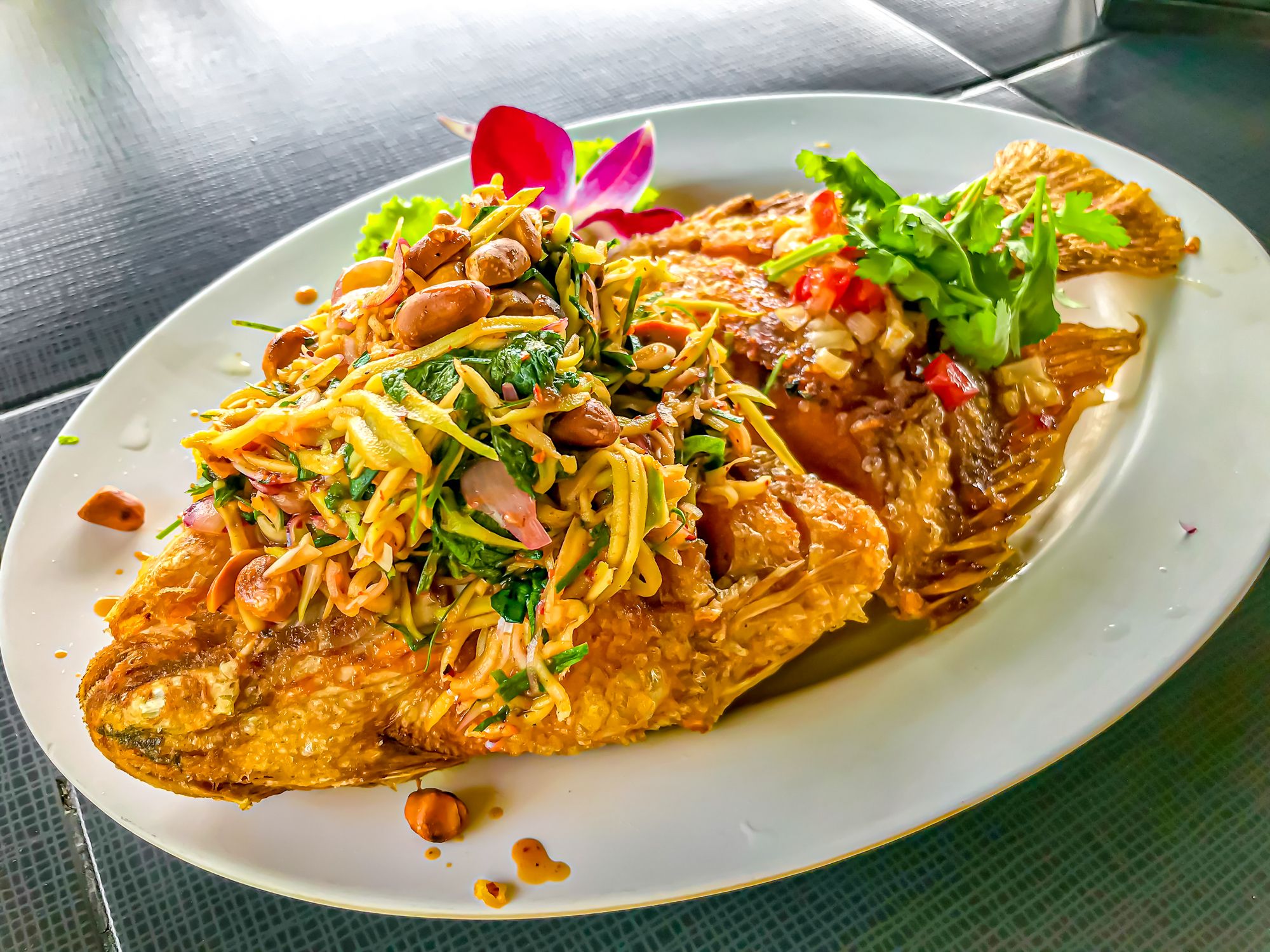
The Rich Culinary Heritage of the Caribbean
The Caribbean islands blend vibrant tastes and aromatic spices woven together over centuries of cultural fusion. Indigenous peoples, enslaved Africans, European colonists, and Asian immigrants have melded together, each leaving an indelible mark on Caribbean cuisine. This amalgamation has ushered in a unique variety of celebrated and cherished flavors worldwide. Exploring these islands, one can’t help but be captivated by the intoxicating aroma of the foods offered in bustling markets and locally renowned restaurants, each serving as a portal to the islands’ deep-seated history.
The culinary journey through the Caribbean offers more than sustenance; it’s a vivid story of survival, adaptation, and tradition. Every dish has a fusion and creativity narrative, underscoring the islanders’ resilience and innovation. In these kitchens, old-world practices meet modern techniques, transforming the Caribbean into an epicurean paradise where every bite narrates tales from the past.
Exploring Iconic Dishes
Each Caribbean island boasts a signature dish, embodying the luscious flavors and textures that define and distinguish each culture. Jamaica’s jerk chicken is legendary for its bold, fiery flavors. It is a product of marinating chicken in a spicy concoction of allspice, thyme, and Scotch bonnet peppers, then slow-cooking it over pimento wood. This method infuses the chicken with a distinctive smoky and spicy zest, making it a celebrated staple.
In the Bahamas, conch fritters reign supreme. These golden bites are made by mixing finely minced conch meat with onions, peppers, and a spice medley before deep frying them to crispy perfection. This results in a rich flavor harmony that excites the palate and leaves diners yearning for more. Meanwhile, ropa vieja is a dish not to be missed in Cuba. This slow-cooked shredded beef stew, melded with onions, bell peppers, and tomatoes, offers a hearty and comforting experience that resonates with the warmth of a Cuban kitchen.
Influences of Indigenous and Global Cultures
Caribbean cuisine is a dynamic blend of tastes, hues, and scents influenced by centuries of cultural interactions and migration.
Its roots trace back to the indigenous Taíno people, who cultivated staple ingredients like cassava, sweet potatoes, and peppers, laying the foundation for the region’s culinary identity. With the arrival of European colonists, new cooking techniques and ingredients such as wheat, sugarcane, and citrus fruits were introduced, transforming the local diet.
The influence deepened with the forced arrival of enslaved Africans, who brought bold spices, okra, and one-pot cooking traditions, giving Caribbean dishes their signature depth and warmth. Later, Asian immigrants, mainly from India and China, infused the cuisine with fragrant curries, rice, and soy sauce, further enriching the region’s diverse flavors.
This confluence of traditions has created a bold and nuanced cuisine, from the smoky heat of jerk seasoning to the comforting richness of curry goat, the delicate sweetness of coconut-infused desserts, and the zesty brightness of citrus-marinated seafood. Every dish conveys a tale of resilience, adaptation, and ingenuity, transforming Caribbean cuisine into a sensory delight and a mirror of its people’s vibrant past.
Popular Ingredients in Caribbean Cooking
Caribbean cooking is characterized by its use of vibrant and fresh ingredients, highlighting the bounty of the land and sea. Key spices like allspice, nutmeg, and ginger are indispensable, imparting warmth and aroma that define the region’s culinary identity. Tropical fruits such as plantains, mangoes, and coconuts add natural sweetness and depth, creating a delicate balance to the fiery heat of the spices.
Fish, conch, and shrimp from the nearby Atlantic and Caribbean seas are crucial to the island’s culinary scene, providing a flavor of the ocean’s wealth. Yet, beyond these ingredients, the true essence of Caribbean cooking lies in intuition. As noted in Forbes, authentic Caribbean cuisine is not just about following recipes but also about cooking with instinct, experience, and an understanding passed down through generations. This deep-rooted connection to food makes every meal an exploration of flavors, giving diners a glimpse into the harmonious blend of cultures on each plate.
Health Benefits of Caribbean Cuisine
Beyond its tantalizing flavors, Caribbean cuisine offers notable health benefits, given its emphasis on fresh, organic ingredients. Ample servings of fruits and vegetables, lean proteins from seafood, and healthy fats from coconut oil and avocados contribute to a well-rounded diet. According to Healthline, a balanced Caribbean meal incorporates these nutrient-rich foods, promoting heart health, supporting digestion, and reducing inflammation. This nutritional foundation makes Caribbean dishes a treat for taste buds and well-being.
A Culinary Journey Across the Islands
Embarking on a gastronomic tour across the Caribbean is a feast for the senses. Each culinary experience offers a new perspective on the islands’ traditions and innovations, from vibrant street markets to elegant dining establishments. As discussed in this article about Caribbean chefs, culinary enthusiasts will appreciate the modern twists given to classic dishes by renowned Caribbean chefs. These chefs are redefining island cuisine for a global audience, ensuring that the Caribbean remains a hotbed of culinary creativity.
Pairing Caribbean Cuisine with Local Drinks
No meal in the Caribbean is complete without a refreshing local beverage. The region’s fertile lands produce a wealth of fruits, which are expertly crafted into vibrant juices that complement the zest of the local dishes. Rum, made from sugar cane, is a Caribbean hallmark, often paired with meals or sipped slowly as an after-dinner delight. Coconut water and ginger beer are also favored, offering a crisp, cooling counterpoint to the spiciness inherent in many Caribbean dishes.
The Future of Caribbean Cuisine
Caribbean cuisine is a lively blend of tastes evolving as chefs skillfully merge traditional practices with contemporary cooking methods. This dynamic fusion pushes the boundaries of creativity while remaining deeply rooted in the islands’ rich cultural heritage. The future of Caribbean food is poised to be thrilling, showcasing beloved traditional spices and ingredients in inventive, imaginative dishes. Each creation pays homage to the islands’ resilient history and the limitless ingenuity of its people, inviting diners on a sensory journey through a culinary paradise.
