

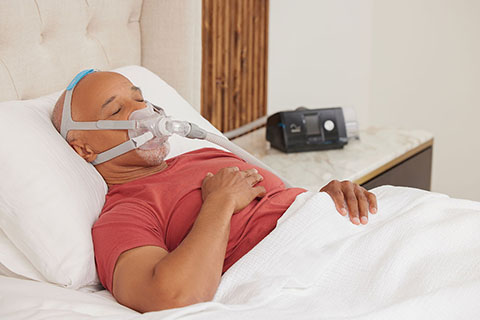
BiPAP (Bilevel Positive Airway Pressure) machines are also referred to as bilevel machines that are necessary in the treatment of respiratory disorders like sleep apnea and COPD. Adequate maintenance of such machines guarantees maximum output, increases the life of such devises and keeps the user healthy. Frequent care helps to avoid malfunctions, lessens a threat of infections, and ensures the comfort and efficiency of treatment. It is important to know the main maintenance practices whenever using a bilevel machine.
Cleaning of Masks and Tubing on a daily basis
Daily cleaning is one of the most significant parts of the bilevel machine maintenance. The masks, the tubing and the humidifier chambers may over time become moist, bacterial and dust filled. Wipe the mask cushion using damp cloth or weak option of soap after every use and rinse with a lot of water. Although tubing does not need to be washed on a daily basis, it is important to check it frequently and wash it once in a week to avoid accumulation which may lead to interference of airflow. Wearing of clean masks and tubing helps in the delivery of hygienic air and minimizes the chances of getting a respiratory infection.
Humidifier Care
Bilevel machines also have a built-in humidifier to make the experience more comfortable as they will not make the airways dry. The humidifier should be well taken care of. Discard all leftover water after every usage and rinse the chamber with warm, soapy water. It is advisable to operate the humidifier with distilled water in order to eliminate the accumulation of minerals which could cause damages. It is also important to clean and dry the humidifier chamber on a regular basis to avoid mold growth, as it is important to maintain clean and moist air delivery on the machine at any time of the night.
Filter Maintenance
Bilevel machines make use of filters to purify the air prior to it being fed into the device and through the airway of the patient. Inspect the filter at least once a week about dustiness, debris or discolouration. Change disposable filters as often as suggested by the manufacturer, usually one to three months and clean reusable filters often. The maintenance of the filters is the key to the efficient work of the machine and provision of the safe and filtered air, which enhances the effectiveness of the therapy and minimizes the situation of respiratory irritation.
Checking of the Machine-Wear-and-Tear
The bilevel machine should be inspected on a regular basis to identify the initial signs of wear and tear. Check the tubing, mask and machine itself when exposed to cracks or leaks, worn cushions or straps, and strange noises and error messages. By fixing small problems, the bigger malfunctions are prevented and may not interfere with the therapy. Frequent checks also contribute to reliability of the device and keeping the device steady to provide the same levels of effectiveness and stability of the pressure to the same levels during treatment.
Proper Storage and Handling
The storage and handling of the bilevel machine influence the durability of the device. Store the device in a cool and dry environment without direct sunlight and dust. Heavy objects should not be placed on the top of the machine/tubing and when cleaning or transporting equipment, it should be handled lightly. When the machine will not be used long, then disconnect the tubing and mask and store the parts in a clean and dry place. Adequate storage helps in curbing damages and the machine will be available whenever it is required.
Conclusion
The care of your bilevel machine is also important to give you effective treatment, comfort, and safety. Washing masks and tubing regularly, humidifier maintenance, filters, frequent checks, and storage are all the factors that help achieve the best results and utilization of the device. These tips can help users to have quality and stable therapy, avoid any health issues and find the most out of the benefits of bilevel machine to have positive respiratory health and well-being.
