

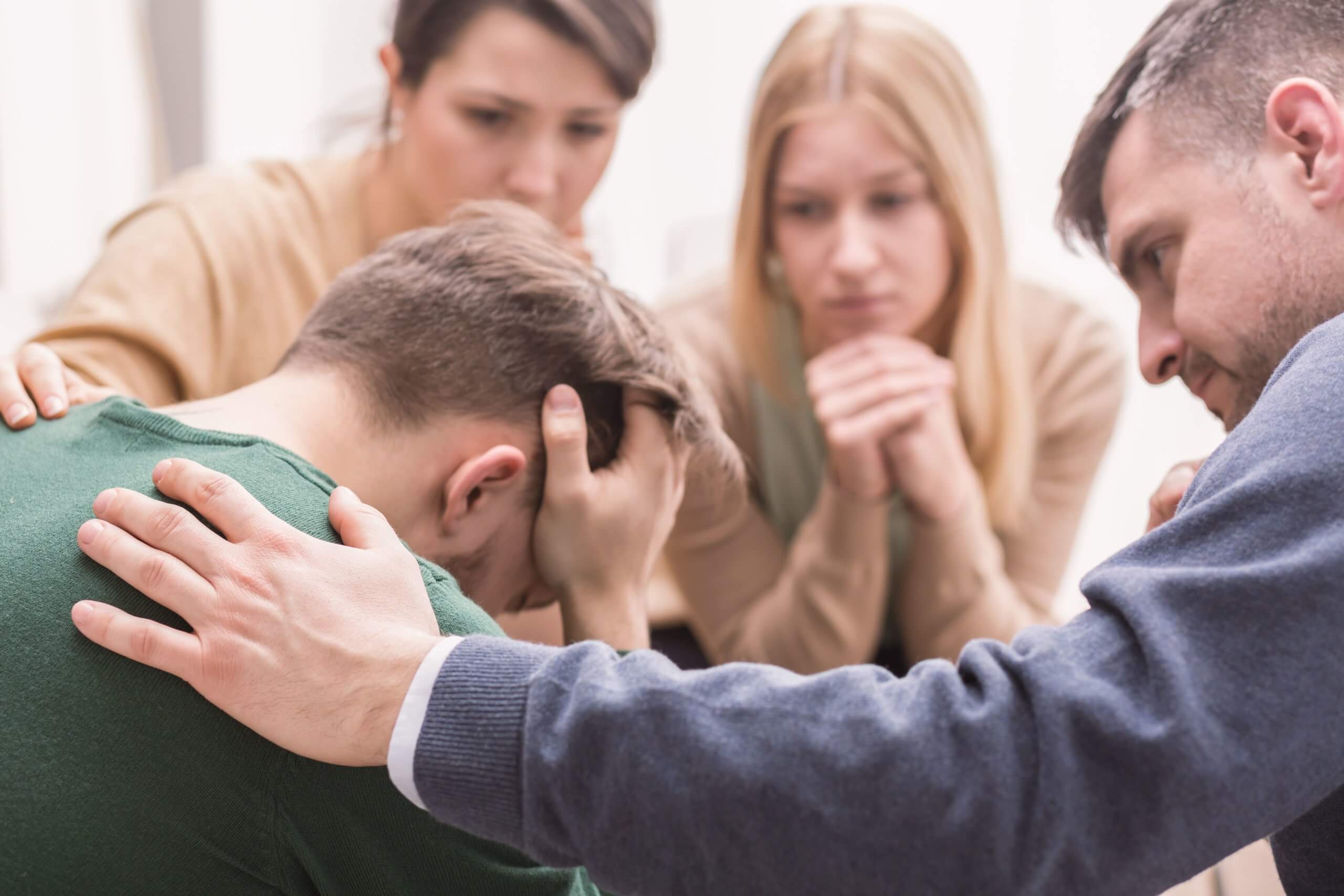
Opioid addiction is not a disease that is exclusive to an individual. It reaches families, relationships and whole households. The contribution of family support is greater than most people think when a person enters the rehabilitation of opioid addiction in Toronto. The recovery process is not only about detox or therapy, but it is also about restoring trust, communication and emotional stability that might have been destroyed in the process.
In the initial stages, the families are usually confused or fatigued. The addiction may capture the day to day life generating stress, worry and even anger. In the case of rehab, it may seem a relieving moment, yet at the same time, a confusing one. Most of the family members are confused about what to say and how to be involved. The thing is that when a family support is positive, it may make a great difference in the success of the recovery in the long term.
Emotional Support and Understanding
Emotional understanding is one of the best ways in which families contribute in rehab of opioids. The problem of addiction is commonly perceived as the weakness of will, yet it is a complicated health condition that concerns the brain and behavior. As soon as the members of the family start to interpret this, it becomes simplier to substitute judgment with compassion. Even minor acts such as active listening without interruptions or patience can make someone who is in the process of recovery feel less isolated.
They are also learning to confront feelings they might have been evading all their lives during rehab. Such emotions as guilt, shame, or fear may arise, and the understanding that the family members are ready to help them to overcome this uncomfortable situation provides confidence. This emotional security is capable of diminishing the impulse of relapsing in difficult situations.
Rebuilding Trust
Addiction may tend to destroy trust and therefore, it takes time to restore it. Even after their loved one begins opioid addiction rehab Toronto, families can be on the guard. This is normal. It does not take one day to recover, and failure may happen. Infancy ought to be about consistency and truthfulness on both ends.
Recovery can be enhanced through approximately healthy boundaries established by the family instead of firm and strict control. Boundaries demonstrate concern and also safeguard all people. These little steps eventually contribute to restoring trust and enable relationships to stabilize once again. This is not a fast process and that is alright. The healing process is seldom fast and flawless.
Support After Rehab
The involvement of the family is not over after the rehab. To a large extent, recovery actually comes after treatment. Coming home, going to work and not having triggers can be overwhelming. A significant role in this transition is played by the family members. Positive reinforcement, habit, and empathy support the achievement of progress in the process of rehabilitation.
Families should also take care of themselves. Being supportive in the opioid recovery process may be an emotionally exhausting task. Knowing when to be useful and when to mingle will prevent burnout. The healthy families make good recovery environment, although they do not always do it right.
Growing Together Through Recovery
Rehabilitation of opioid addiction Toronto tends to welcome the input of family members since family involvement has proven to be the most effective approach to recovery. The families can be able to grow together in the course of this journey through education sessions, therapy, or just having conversations. Addiction can have been painful, but recovery can present an opportunity to strengthen and encourage healthier ways of rebuilding relationships.
There exists no family where the addiction is managed impeccably and errors will occur. The only thing that counts is the attempt to remain helpful, tolerant, and receptive. Recovery is not only about quitting the use of drugs but it is also about a life that feels balanced and reconnected. Families can be a potent component of long-term healing with support and understanding and enable their loved ones to live on with hope and confidence.
