

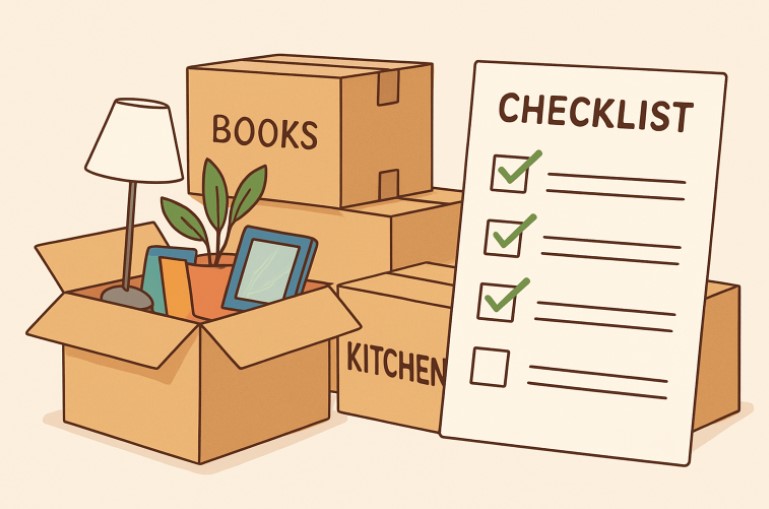
Start Early and Create a Moving Plan
Relocating to a new home—a process often involving dozens of tasks—becomes manageable when you start early and lay out a well-structured moving plan. When you know your moving date, create a timeline with key milestones like scheduling movers, collecting packing supplies, and setting up utility transfers.
Early planning builds confidence and helps you sidestep last-minute complications. If you’re relocating for work or managing a business transition, consider commercial moving services Hudson County NJ, for expert assistance tailored to professional needs. These services can streamline complex moves and eliminate logistical headaches.
Declutter Before Packing
Moving is the perfect opportunity to assess your possessions and reduce clutter. Sort items into categories—keep, donate, sell, or discard—so only what truly matters makes the move with you. Not only does this lower moving costs and save packing time, but it also helps you organize and refresh your living space from day one in your new home.
Hosting a garage sale or donating gently used items to local charities can be financially and emotionally rewarding. Downsizing also significantly makes unpacking easier, an important benefit once you arrive at your destination.
Gather Quality Packing Supplies
High-quality packing supplies are essential in protecting your belongings. Sturdy boxes, heavy-duty tape, bubble wrap, and packing paper safeguard fragile items during transit. Specialty containers for wardrobes, dishes, or electronics provide extra protection and peace of mind.
For valuable guidance on choosing the right moving supplies, major publications like Wirecutter by The New York Times frequently review the best products and provide tips for hassle-free packing. Plenty of supplies can help avoid last-second runs to the store and keep your move on schedule.
Label Boxes Clearly
Organization is key to a swift and efficient move. Clearly label all boxes with their contents and the room where they belong. Use waterproof markers and bold lettering, and consider adding a color-coding system or numbering boxes to match them with a master inventory list.
This simple step makes unpacking smoother and ensures you can quickly find essential items, such as your coffee maker or bedding, when you arrive. It’s also a helpful system for anyone assisting with your move, including professional movers or friends.
Hire Professional Movers
Professional movers bring expertise, equipment, and efficiency to the relocation process. Research reputable moving firms, check reviews, and request multiple estimates. If you have special requirements—like moving large furniture or delicate electronics—verify that your chosen company has ample experience with such items.
Confirm details like insurance, arrival times, and cancellation policies. This due diligence protects your property and ensures a smooth move on the big day. Expert movers are invaluable for a hassle-free transition for complex or commercial relocations.
Notify Important Parties
Notify banks, schools, healthcare providers, and subscription services in advance of your change of address. Also, remember to submit a change of address to the postal service to forward your mail. This step prevents lapses in service and ensures that critical correspondence, such as bills or medical information, reaches you promptly.
As moving day draws near, taking care of these communications ahead of time means you’ll have one less item to worry about. The U.S. Postal Service offers an easy online address change tool for quick updates.
Pack an Essentials Box
The first night in your new home can feel overwhelming if you can’t easily find what you need. Pack a box (or suitcase) of daily essentials: toiletries, medication, chargers, snacks, a basic tool kit, and clothes. Keep this box separate, and transport it yourself if possible.
This simple step brings significant comfort during your initial hours in your new space, helping you avoid the stress of searching through boxes for necessities. Consider also having a small kitchen kit for easy access to plates, cups, and utensils.
Take Care of Utilities and Address Changes
Schedule utility disconnection at your current residence and connection at your new address well in advance. Water, gas, electricity, internet, and cable services should all be set up before you move in. Keeping a checklist of these utilities helps ensure nothing is missed.
Update your address with your employer, voter registration, insurance providers, and any delivery services you use. This ensures a seamless transition and reduces frustrating interruptions to daily life. For more tips, Real Simple’s moving checklist provides a handy reference.
Prepare for Moving Day
On moving day, keep walkways clear and ensure pets or small children have a safe, supervised area. Keep necessary paperwork, valuables, and personal documents close at hand rather than packed in the moving truck. Double-check logistics and contact details with your movers a day prior.
Having drinks and snacks available keeps energy high, and some cash on hand for tips or emergencies is always wise. A calm, organized moving day sets the tone for a smoother transition into your new home.
Settle into Your New Home
Begin by unpacking the essentials and setting up key rooms, such as your bedroom and kitchen. Focus on creating functional spaces that allow for rest and nourishment after moving. Gradually unpack and decorate once the basics are covered, making your new residence feel uniquely yours.
Spend time exploring your neighborhood—locate vital amenities like grocery stores, pharmacies, parks, and public transit options. Introduce yourself to your neighbors, join local groups or social media communities, and participate in regional events to establish new connections.
With deliberate planning and an organized approach, a stress-free move isn’t just possible—it’s within reach. Proper preparation ensures you settle into your new home ready to enjoy a fresh start and new opportunities.
