

Keeping outdoor areas pristine not only enhances curb appeal but also safeguards their longevity and usability. Fresh, inviting spaces encourage more frequent use and help foster community pride. Homeowners and property managers alike can benefit from understanding which methods and routines yield the best results, from manual cleanups to advanced solutions like pressure washing. Whether it’s a public park, a residential walkway, or a commercial patio, consistent attention translates into healthier, safer, and more attractive environments for everyone involved.
Regular and proactive outdoor cleaning not only protects surfaces from long-term damage but also supports environmental health and local wildlife. Tailoring cleaning routines to each space, whether parks, commercial properties, or home patios, prevents debris, stains, and mold from accumulating, extending the lifespan of outdoor features and enhancing their usability and appeal.
Regular Cleaning Schedules
A reliable cleaning schedule is the backbone of any outdoor maintenance strategy. Simple actions, such as weekly sweeping and prompt leaf and trash removal, help eliminate organic buildup and reduce slip hazards. In autumn, scheduling more frequent cleanups can prevent drains from clogging with fallen foliage. For larger shared areas, establishing a maintenance calendar and assigning roles can ensure no duties are forgotten.
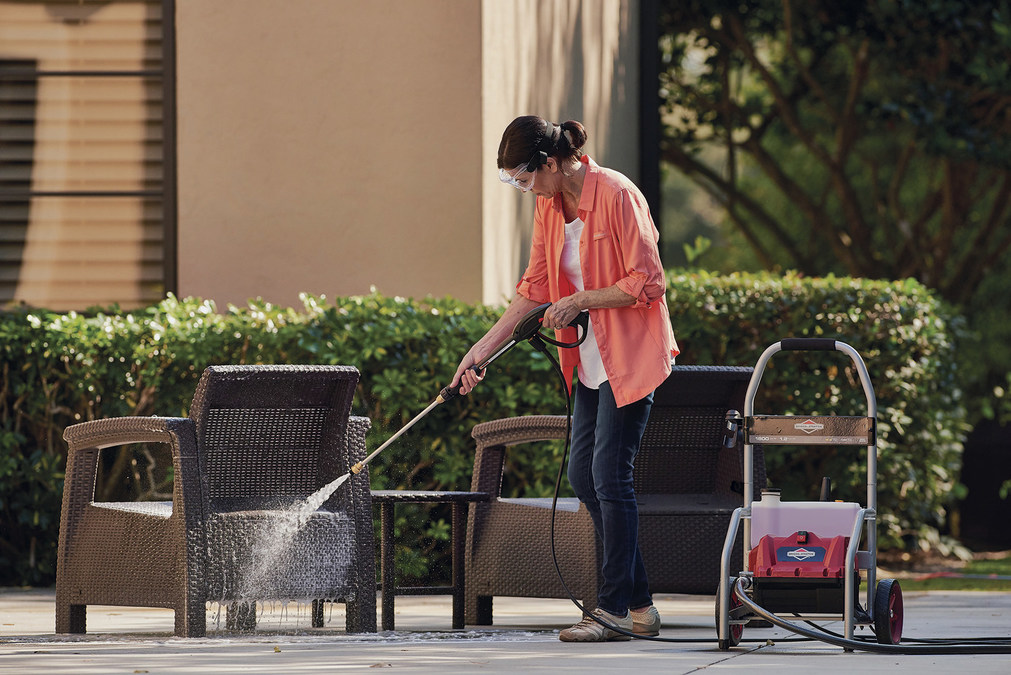
In addition to routine sweeping, occasional professional power washing can make a significant difference. Power washing removes stubborn dirt, mold, mildew, and stains from surfaces like sidewalks, patios, and driveways, restoring their original appearance and preventing long-term damage. Integrating power washing into your schedule ensures that even hard-to-clean areas maintain a fresh, safe, and inviting look.
Strategic timing is also critical; early morning or late afternoon cleaning avoids disrupting peak hours while allowing any damp surfaces to dry naturally and reducing mold risk. Proactive routines can save significant time and money by negating the need for more intensive repairs later.
Appropriate Cleaning Methods
Surface materials dictate which cleaning methods are safest and most effective. Over-reliance on power tools, such as pressure washers, might cause premature wear, especially on softer stones or older concrete. For routine maintenance, pair gentle manual scrubbing with biodegradable, non-toxic cleaners. These eco-friendly alternatives reduce the risk of environmental harm without sacrificing cleanliness.
Soft brushes work well for wood or composite decks, while sturdy brooms can tackle brick or tile. When using any chemicals, verify they’re suitable for the material and follow all manufacturer recommendations to prevent fading or corrosion. Avoiding harsh bleaches and detergents helps keep adjacent greenery and soil healthy.
Landscaping and Green Space Management
Beautiful landscaping not only boosts outdoor aesthetics but also makes cleaning easier. Regular lawn care—including mowing, edging, and seasonal fertilizing—prevents weeds from overtaking paths and keeps turf healthy. Pruning overgrown shrubs and trees keeps walkways clear and deters pests, while mulching helps retain soil moisture and reduce erosion.
Use native or well-adapted plants to promote biodiversity and decrease reliance on chemical fertilizers. Community gardens, tree-planting days, or shared composting projects also nurture stewardship and give neighbors a sense of ownership over common grounds.
Preventive Maintenance
Preventive maintenance saves both time and resources in the long run. Inspect surfaces regularly for cracks, loose stones, or uneven pavement, and address these issues promptly to avoid bigger repairs. Treating wood with weatherproof sealants and periodically resurfacing patios or driveways extends their usable life. Drainage should also be monitored and cleared to minimize water pooling and slippery spots.
Sustainable Practices
Integrating sustainability into your cleaning and maintenance approach yields benefits beyond appearance. Use recycled or reclaimed materials for outdoor furniture and walkways to lower your carbon footprint. Install rain barrels or permeable pavers to improve stormwater management, and install solar lighting to save energy. Additionally, choosing paints and stains with low levels of volatile organic compounds (VOCs) reduces air pollution and protects occupant health.
Composting yard waste and recycling trimmings supports a closed-loop system and turns organic debris into valuable soil amendments. Promoting these efforts within your community not only preserves natural resources but can also inspire neighbors to adopt greener habits themselves.
Community Involvement
The success of outdoor maintenance initiatives often hinges on community engagement. Organizing regular volunteer clean-up days, offering educational workshops, or providing shared equipment encourages everyone to participate. Recognize and reward repeat contributors to build positive momentum.
Transparency about maintenance plans and clear role assignments ensure no task is overlooked. Use newsletters or online groups to coordinate efforts and share before-and-after photos that celebrate collective progress.
A clean outdoor space doesn’t just happen—it’s the result of commitment, cooperation, and innovative techniques. With the proper routines, safe cleaning methods, and an eye for sustainability, you can protect your investment and inspire others to care for the environment we all share.
