

Introduction
Gastric sleeve surgery, also known as sleeve gastrectomy, is a popular weight loss surgery that has helped thousands of people achieve significant, long-term weight loss. This procedure involves removing a large portion of the stomach, leaving a small, banana-shaped sleeve. This results in reduced stomach size and a feeling of fullness after consuming smaller amounts of food. If you’re considering gastric sleeve surgery, this comprehensive guide will walk you through the procedure, benefits, risks, and what you can expect during recovery.
How Does Gastric Sleeve Surgery Work?
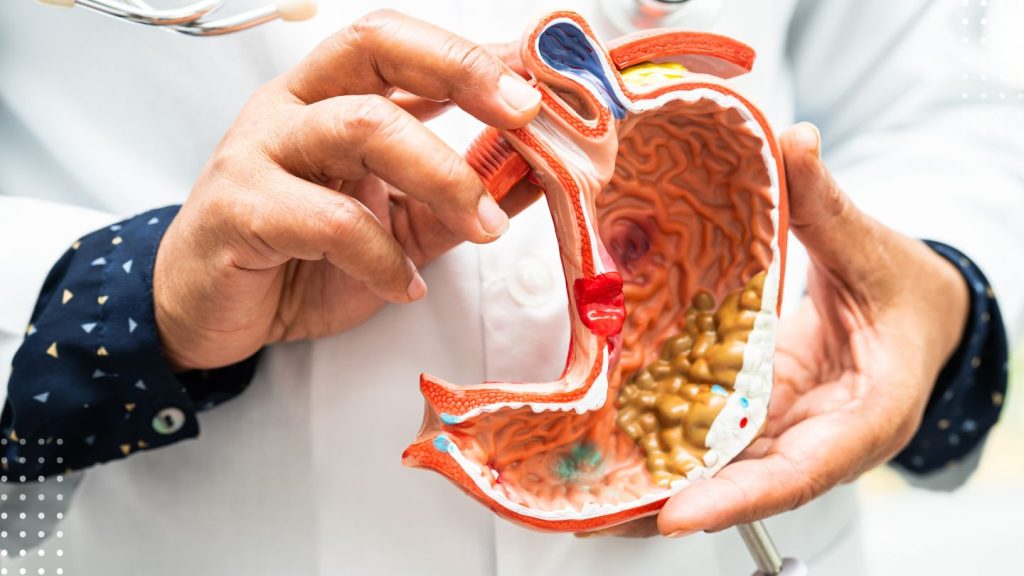
Gastric sleeve surgery is a type of bariatric surgery designed to help individuals struggling with obesity lose weight. The procedure involves the removal of about 75% of the stomach, leaving a sleeve or tube-shaped stomach that holds significantly less food. This reduces the amount of food you can consume and also affects hunger-regulating hormones, making you feel fuller with less food.
Unlike gastric bypass, which reroutes the intestines, gastric sleeve surgery does not alter the digestive tract; it only reduces the stomach’s size. This makes it less invasive and easier to recover from than some other bariatric procedures.
The Gastric Sleeve Procedure
Step-by-Step Process
The gastric sleeve surgery is typically performed laparoscopically, meaning small incisions are made in the abdomen. A camera and specialized instruments are used to remove the majority of the stomach, leaving a sleeve-shaped pouch. The procedure typically takes 1-2 hours, and patients are usually able to return home the same day or after a short stay in the hospital.
Recovery Process
Recovery from gastric sleeve surgery is relatively quick, especially compared to more invasive weight loss surgeries like gastric bypass. Most patients are able to return to work within 1-2 weeks, although they are advised to take it easy and avoid strenuous physical activity for several weeks after the surgery. A liquid diet is typically followed for the first few weeks, gradually transitioning to solid foods as the stomach heals.
Benefits of Gastric Sleeve Surgery
1. Significant Weight Loss
The primary benefit of gastric sleeve surgery is significant and sustained weight loss. Most patients lose between 60% and 70% of their excess weight within the first 12–18 months. This weight loss can lead to improved health, greater mobility, and enhanced self-esteem.
2. Improvement of Obesity-Related Health Conditions
Gastric sleeve surgery can help improve or even resolve obesity-related health conditions such as:
- Type 2 diabetes
- Hypertension (high blood pressure)
- Sleep apnea
- Joint pain
- Heart disease
Many patients report feeling better overall and notice improvements in energy levels, mobility, and mental health after surgery.
3. No Rerouting of the Intestines
Unlike gastric bypass, which reroutes the digestive tract, gastric sleeve surgery does not alter the intestines. This means the body can continue absorbing nutrients in the usual way, making it a less complicated procedure with fewer risks of nutrient deficiencies.
Who is a Candidate for Gastric Sleeve Surgery?
Eligibility Criteria
Gastric sleeve surgery is generally recommended for individuals who:
- Have a Body Mass Index (BMI) of 40 or higher, or a BMI of 35 or higher with obesity-related health conditions.
- Have struggled with weight loss through diet and exercise but have not been successful.
- Are willing to commit to significant lifestyle changes, including dietary adjustments and regular exercise.
Mental and Emotional Readiness
In addition to physical readiness, it’s important to be mentally prepared for the changes that come with weight loss surgery. The gastric sleeve requires long-term commitment to new eating habits and a healthy lifestyle. Counseling and support groups are often recommended to ensure patients have the mental tools to succeed post-surgery.
Risks and Considerations of Gastric Sleeve Surgery
While gastric sleeve surgery has a high success rate and is generally considered safe, it does come with some risks. These may include:
- Infection
- Blood clots
- Nutritional deficiencies (especially if post-surgery dietary recommendations are not followed)
- Leaks from the stomach pouch
- Stomach ulcers
It’s important to discuss these risks with your healthcare provider and understand the potential complications before proceeding with surgery.
Gastric Sleeve vs. Gastric Bypass: What’s the Difference?
When considering weight loss surgery, it’s important to compare the different options available. Gastric sleeve and gastric bypass are both highly effective, but they have key differences:
- Gastric sleeve involves removing part of the stomach, while gastric bypass involves both reducing stomach size and rerouting the intestines.
- Gastric sleeve has a lower risk of complications and a shorter recovery time compared to gastric bypass.
- Gastric bypass may lead to greater weight loss and improvement in obesity-related conditions, but it is more invasive.
The best choice for you will depend on your health, weight loss goals, and the advice of your surgeon.
Conclusion
Gastric sleeve surgery is a highly effective weight loss procedure that can help individuals struggling with obesity achieve significant and lasting results. It is less invasive than other bariatric procedures, offers fewer complications, and provides long-term weight loss when combined with lifestyle changes. If you’re considering gastric sleeve surgery, it’s important to consult with an experienced bariatric surgeon to determine if this procedure is right for you.
By undergoing gastric sleeve surgery and committing to a healthy lifestyle, you can take the first step toward a healthier, more fulfilling life.
